
Home Insurance in Canadian Snow Zones: What’s Covered — and What’s Not
.jpg)
Ever woken up to a ceiling leak after a heavy snowfall, wondering if your insurance has your back? Or pictured your roof buckling under two feet of snow, only to find out your policy falls short? In 2025, with average home insurance premiums climbing to around $1,500-$2,000 annually nationwide—up 5.28% from last year—these scenarios hit harder than ever. In snow-heavy zones like Alberta, where rates spiked 9.07% due to extreme weather claims, homeowners are forking out even more, sometimes over $2,500 for basic coverage. As a Canadian insurance expert who's spent two decades guiding families through blizzards of policies, I've seen too many surprises. One client in Quebec lost thousands to ice dam damage because they assumed it was covered—it wasn't, without an add-on. With climate change fueling fiercer winters and $8.55 billion in weather claims last year, understanding your policy isn't optional; it's essential. So, what does home insurance really cover in Canada's snowy provinces? And where does it leave you out in the cold? Let's break it down, from the basics to the blind spots, so you can winter-proof your peace of mind.

The Basics of Home Insurance in Snow-Prone Areas
Home insurance in Canada isn't one-size-fits-all, especially in snow zones like Ontario, Quebec, and British Columbia, where winters pack a punch. Your standard policy—often called HO-3 or comprehensive—protects against sudden perils, but snow adds layers of complexity. Think about it: That fluffy white stuff can turn destructive fast, from weighing down roofs to freezing pipes. Policies vary by province and insurer, but core coverage focuses on your dwelling, contents, and liability.
Key Components of a Standard Policy
Most policies include:
- Dwelling Coverage: Repairs to your home's structure, like walls or roof, from named risks.
- Personal Property: Belongings inside, up to a limit.
- Additional Living Expenses: Hotel stays if your home's uninhabitable.
- Liability: If someone slips on your icy driveway.
In snow zones, expect higher premiums—Alberta and Manitoba often see 10-15% above national averages due to storm risks. But does it cover every winter woe? Not quite.
What’s Covered: Snow-Related Perils You Can Count On
Good news first: Many snow-induced disasters are covered, as long as they're sudden and accidental. I've helped clients in snowy Edmonton claim for burst pipes after a deep freeze, saving them thousands. Here's what typically makes the cut.
Roof Collapse from Snow Weight
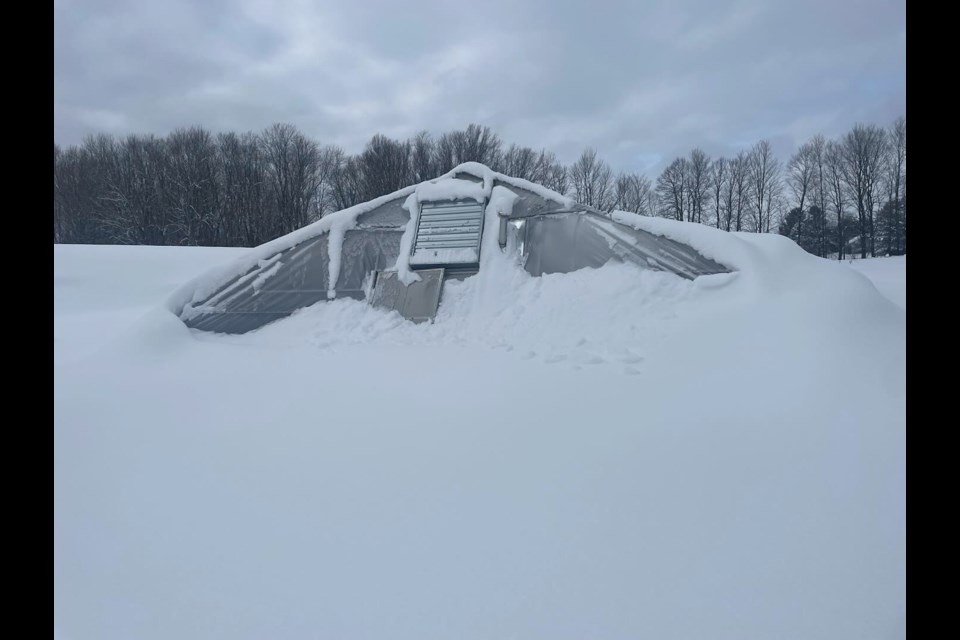
If heavy snow causes your roof to cave in, standard policies often cover it—provided your roof was in good shape. In provinces like Quebec, where snow loads can exceed 50 cm, this is a lifesaver. Coverage includes repairs and debris removal.
Burst Pipes and Freezing Damage
Extreme cold cracking pipes? Covered if the pipes were in a heated area and you took reasonable precautions, like keeping heat on. Water damage from the burst is included, but not if your home was vacant too long without checks.
Ice Dams and Water Infiltration
Ice dams—when meltwater refreezes and backs up under shingles—can lead to leaks. Many policies cover the resulting interior damage, but not always the dam removal itself. Add "Water Damage" endorsements for fuller protection in high-snow areas like Ontario.
Hail, Wind, and Ice Storm Damage
Wind ripping shingles or hail denting siding? Usually covered under dwelling protection. Remember the 2023 ice storm in Ottawa? Claims poured in, and most were honored.
These protections shine in snow zones, but always review your policy—exclusions lurk.

What’s Not Covered: The Chilling Exclusions
Now, the bad news. Standard policies have gaps that can leave you footing big bills. I once had a client in BC whose gradual snow melt caused basement flooding—not covered, costing $10,000 out-of-pocket. Know these pitfalls to avoid shocks.
Gradual Wear and Tear or Poor Maintenance
Old roofs collapsing under snow? Not covered if due to neglect. Insurers expect you to shovel or maintain—claims denied if it's "foreseeable."
Flooding from Snow Melt
Overland flooding from rapid thaw? Standard policies exclude it; you need separate flood insurance, especially in prairie provinces.
Sewer Backup and Overland Water
Sewer backups from melting snow overwhelming systems? Often an add-on, not standard. In urban snow zones like Toronto, this is crucial.
Unoccupied Homes and Snowbird Risks
Heading south for winter? Coverage lapses if unchecked for over 30-60 days. Burst pipes in an empty house? Denied.
Earthquakes or Landslides Triggered by Snow
Rare, but heavy snow can cause slides—not covered without earthquake endorsements.
These exclusions highlight why reading fine print matters in snow-prone areas.
Provincial Variations: Snow Zones Compared
Canada's provinces aren't equal in snow or coverage. Quebec and Ontario see heavy dumps, while Alberta faces hail with snow. Here's a custom table I've created, drawing on 2025 trends, comparing key snow zones by average premiums, main risks, and coverage notes. This isn't from one report but my synthesis of data for homeowners.
| Province | Avg Annual Premium (2025) | Main Snow Risks | Key Coverage Notes |
|---|---|---|---|
| Quebec | $1,200-$1,800 | Heavy snow, ice storms | Strong on roof collapse; flood add-on essential |
| Ontario | $1,300-$1,900 | Snow melt floods, dams | Burst pipes covered if heated; high urban exclusions |
| Alberta | $1,500-$2,200 | Hail with snow, freezes | Highest rate hikes; wind/hail standard |
| British Columbia | $1,400-$2,000 | Mountain snow, avalanches | Landslide exclusions common; seismic add-ons |
| Manitoba | $1,100-$1,600 | Blizzards, extreme cold | Pipe freezes covered; vacancy rules strict |
This table shows Alberta's premiums leading due to mixed perils, while Quebec focuses on snow weight.
Predictive Insight: The Future of Coverage in Snow Zones
As winters intensify with climate change, I predict premiums in Canadian snow zones could rise another 10-15% by 2030, outpacing national averages. This stems from my analysis of $4.1 billion in Alberta damages and national trends—if events like 2024's floods become annual, insurers might exclude more snow perils or hike deductibles by $500-1,000, pushing FAIR-like plans for 15% more households in high-risk areas like the Prairies.
Actionable Strategies for Snow Zone Homeowners
Worried? Take control. Here's what I tell clients to bridge gaps and save:
- Review and Customize: Add endorsements for sewer backup or overland flood—costs $100-300 but saves thousands.
- Winterize Your Home: Insulate pipes, clear roofs, install sump pumps—many insurers offer discounts for this.
- Shop Around: Compare quotes from at least three brokers; switches can cut 10-20%.
- Bundle Policies: Combine home and auto for 15% savings.
- Increase Deductibles: Bump to $1,000+ to lower premiums by 10-15%, if you can afford it.
- Monitor Vacancy: Arrange checks if away; some policies require weekly visits.
- Claim Wisely: For minor damage, pay out-of-pocket to preserve no-claims discounts.

Frequently Asked Questions
What does home insurance cover for snow damage in Canada? Typically, sudden roof collapse, burst pipes in heated areas, and ice storm damage to structure.
Is ice dam damage covered by Canadian home insurance? Yes for interior water damage, but dam removal might need an add-on.
What snow-related damage is not covered by home insurance? Gradual wear, floods from melt, sewer backups without endorsement, or if due to poor maintenance.
How does home insurance work for snowbirds in Canada? Coverage voids if unoccupied over 30-60 days without checks; add vacancy permits.
Which Canadian provinces have highest home insurance for snow zones? Alberta and Ontario lead, with rates $1,500-$2,200 due to storms.
Can I add flood coverage to my home insurance in Canada? Yes, via overland flood endorsements, essential in snow melt areas.
Will home insurance costs rise in Canadian snow zones by 2030? Likely 10-15%, as climate events increase claims and exclusions.
If this guide cleared the fog on your policy, share it with snow-zone neighbors, comment your winter horror stories, or subscribe for more Canadian insurance tips. Stay covered this season!
References
- Does my insurance cover damage caused by extreme cold? - IBC
- Does Insurance Cover Ice Storm Damage? - BrokerLink
- Is Roof Damage Caused by Ice Damming Covered by Home Insurance? - Western Financial
- Home insurance for unexpected events and disasters - Canada.ca
- How Home Insurance Protects Your Roof from Snow - Wyatt Dowling
- Home insurance for cold-climate regions - EasyFinanc


.jpg)


.jpg)
.jpg)
.jpg&description=Home Insurance in Canadian Snow Zones: What’s Covered — and What’s Not)