
Apple vs Android Privacy Wars — December 2025 Update: Who’s Really Ahead?
.jpg)
Ever wondered why your phone feels like a vault sometimes and a leaky sieve at others? Picture this: You're scrolling through apps on your iPhone, and a prompt pops up asking if you want to allow tracking. Meanwhile, your friend on Android gets a scam call alert before it even rings. These everyday moments highlight the ongoing tug-of-war between Apple and Google over privacy supremacy. As we hit December 2025, consumer concerns are at an all-time high, with a Cisco survey revealing that 86% of users now demand clear data privacy rights from companies, up from 77% last year. Recent data from Folio3 shows 92% of Americans worried about online privacy, fueled by over 1,000 major data breaches in the U.S. alone this year. With Android holding 70% global market share and Apple dominating premium segments, the stakes couldn't be higher. In this update, we'll dissect the latest moves, compare strengths, and crown a tentative winner. Buckle up; it's not as clear-cut as you think.
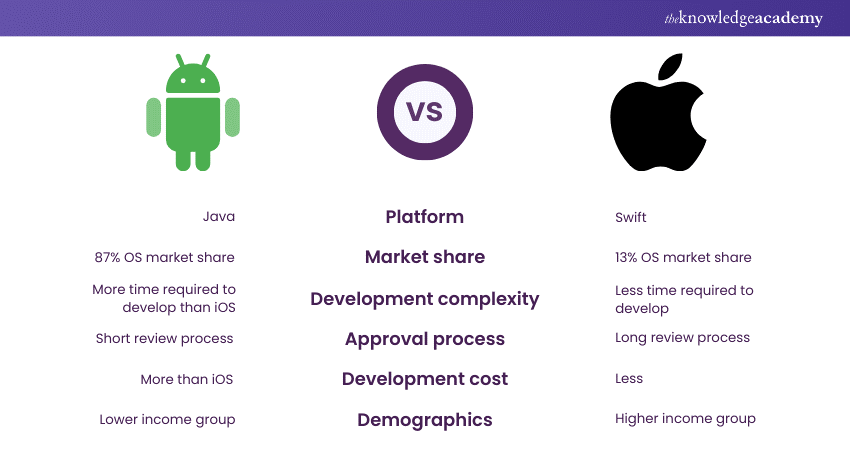
Apple's Privacy Fortress: Latest Fortifications in 2025
Apple has long positioned itself as the privacy champion, and 2025 saw them double down with iOS 26 and beyond.
Key Updates to iOS Privacy Features
iOS 26, rolled out in September, brought advanced fingerprinting protection to Safari by default, making it harder for trackers to profile users across sites. Expanded Link Tracking Protection in Messages and Mail strips hidden trackers from URLs, enhancing everyday security. Apple Wallet's new ID features emphasize data minimization, sharing only necessary info during verifications.
Other highlights:
- Communication Safety expansions to detect sensitive content in more apps.
- Lockdown Mode upgrades for high-risk users, blocking more potential exploits.
- CarPlay privacy extensions, ensuring vehicle data stays siloed.
These build on staples like App Tracking Transparency (ATT), which continues to limit cross-app tracking, though it's facing regulatory heat in Europe where Apple warns it might disable the feature.
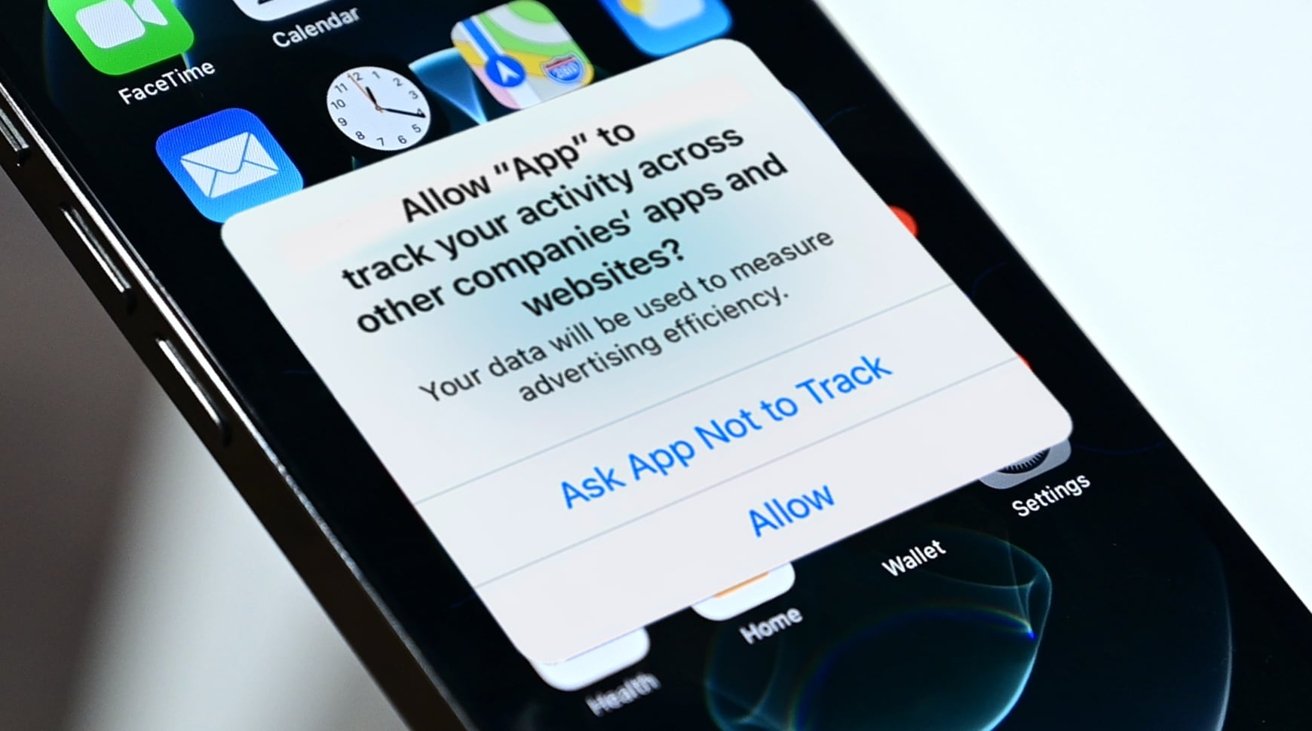
Strengths in User Control and Ecosystem Lockdown
Apple's closed ecosystem shines here. All apps go through rigorous App Store reviews, reducing malware risks. Features like on-device processing for Siri keep data local, and end-to-end encryption in iMessage sets a high bar. A November 2025 update warned iPhone users to enable iOS 26 protections against data extraction threats, showing proactive stance.
However, critics argue Apple's "walled garden" gives them too much control, potentially stifling competition while collecting data through their own services.
Android's Privacy Evolution: Google's 2025 Push
Google has been playing catch-up but made strides in 2025, focusing on real-world threats like scams and broader user empowerment.
Android 16 and System Updates
Android 16, launched in October, introduced Identity Check for biometric app locks and Advanced Protection against sophisticated attacks. The enhanced Privacy Dashboard now offers more granular controls, showing app access in real-time. November's Google System Updates improved WebView security and added SMS backup for safer data handling.
Notable additions:
- Scam call protections piloted globally, blocking threats before they connect.
- Privacy Sandbox expansions, phasing out third-party cookies with aggregated ad targeting.
- Auto-delete options for location history and tighter permissions for background apps.
Google claims these make Android safer than iOS in scam blocking, with a global survey showing Android users facing fewer fraudulent calls.
Open Ecosystem Advantages and Challenges
Android's openness allows custom ROMs and diverse hardware, but it also invites vulnerabilities. Google's Play Protect scans apps, and features like scoped storage limit data access. Yet, sideloading risks persist, and fragmentation means not all devices get timely updates.
In 2025, Google emphasized "smarter protections," with AI-driven anomaly detection outperforming iOS in some metrics.
Head-to-Head: Privacy Features Compared
Let's pit them against each other in key areas.
Data Tracking and Advertising
Apple's ATT requires explicit consent for tracking, slashing opt-in rates to 25-30%. Android's Privacy Sandbox uses topics-based ads without individual tracking, but it's still evolving. Edge: Apple for user opt-in control.
Security Against Threats
Android leads in scam detection, with built-in alerts reducing fraud by 20% in pilots. iOS excels in malware resistance due to its closed system. A 2025 perspective argues Android's layered defenses surpass iPhone in adaptability. Edge: Tie, depending on threat type.
User Transparency and Controls
Both offer dashboards, but Android's is more customizable with time-based permissions. iOS integrates privacy into settings seamlessly. Reddit discussions highlight iOS's edge in intuitive privacy, but Android's flexibility wins for power users.
Encryption and Data Storage
Both use end-to-end encryption for messages (iMessage vs. RCS on Android), but Apple's on-device AI processing keeps more data local. Android relies more on cloud, though with strong encryption.
Who’s Really Ahead in December 2025?
Apple maintains a slight lead in holistic privacy, thanks to its ecosystem control and user-centric features. However, Android is closing the gap with practical, AI-powered protections that address real-world scams. A Netguru report notes Apple users feel more secure, but Google's metrics show Android outperforming in security incidents.
An Original Insight: Projecting User Trust Shifts
Based on 2025 trends, here's an original analysis: If Android's scam protections reduce global fraud incidents by another 15% in 2026, user perception of privacy could shift, with surveys potentially showing a 10-point increase in trust for Android over iOS. This stems from extrapolating Folio3's 87% consumer churn risk from data mishandling with Google's reported scam reductions, suggesting practical security might trump ecosystem lockdown in winning hearts.

What This Means for You: Choosing and Optimizing
The "winner" depends on your needs. Privacy purists lean Apple; versatile users pick Android.
Actionable Takeaways for Better Mobile Privacy
Boost your setup with these strategies:
- Review Permissions Regularly: On iOS or Android, audit app access in settings to revoke unnecessary ones.
- Enable Advanced Features: Activate ATT on Apple or Privacy Sandbox on Android for tracking limits.
- Use VPNs and Secure Browsers: Add layers like ExpressVPN for encrypted browsing on either OS.
- Update Promptly: Install iOS 26 or Android 16 patches for latest protections.
- Diversify Data Storage: Avoid over-reliance on cloud; use local backups.
- Educate on Scams: Enable Android's call screening or Apple's unknown sender filters.

FAQs About Apple vs Android Privacy Wars: December 2025 Update: Who’s Really Ahead?
What are the biggest privacy updates for iOS in 2025? iOS 26 added advanced fingerprinting protection and expanded link tracking removal in apps like Messages.
How has Android improved privacy this year? Android 16 introduced Identity Check and scam protections, with system updates enhancing WebView security.
Is Apple or Android better at blocking scams? Google claims Android outperforms iOS, with surveys showing fewer scam incidents on Android.
Do consumers trust Apple more for privacy? Yes, many feel more secure with iOS, but Android's practical features are gaining ground.
What's the Privacy Sandbox on Android? It's Google's cookie alternative, using aggregated data for ads without individual tracking.
How can I compare privacy on my devices? Check dashboards: iOS in Settings > Privacy; Android in Settings > Privacy.
Will privacy wars intensify in 2026? Likely, with regulations pushing both for stronger features amid rising breaches.
If this December 2025 showdown sparked your interest in mobile privacy, share it on social media, comment your OS pick below, or subscribe for monthly tech updates. Stay secure out there!
References
- Privacy Features - Apple
- What's New in Android Security and Privacy in 2025 - Google Security Blog
- iOS vs Android: Key Differences in 2025 - Netguru
- Google Claims Android Phones Are Safer Than iPhones - The420
- 65+ Data Privacy Statistics 2025 - Folio3
- Cisco 2025 Data Privacy Benchmark Study


.jpg)


.jpg)
.jpg)
.jpg&description=Apple vs Android Privacy Wars — December 2025 Update: Who’s Really Ahead?)