
HAL Tejas Crashes at Dubai Airshow: What We Know So Far
Airshows have always been thrilling spectacles, where cutting-edge aircraft zoom through the skies, showcasing the pinnacle of human engineering and pilot skill. Think back to the Paris Air Show or Farnborough, where crowds gasp at daring maneuvers that push machines and humans to their limits. But these events also remind us of the razor-thin margin between triumph and tragedy, especially in an era where aviation tech is evolving faster than ever, from drones to hypersonic jets. On November 21, 2025, that reality hit hard when an Indian Air Force HAL Tejas fighter jet crashed during a demonstration at the Dubai Airshow. As social media floods with videos and eyewitness accounts, the incident has sparked global conversations about safety in high-stakes displays. With details still emerging, here's what we know so far about this heartbreaking event that's left the aviation world in shock.
The Incident: A Timeline of Events
The crash unfolded on the final day of the biennial Dubai Airshow, a major event drawing thousands of industry pros, military officials, and enthusiasts to Al Maktoum International Airport in Dubai World Central. Around 2:10 p.m. local time (1010 GMT), the Tejas, part of the Indian Air Force's aerial display team, took off for what was meant to be a routine demonstration of its agility.
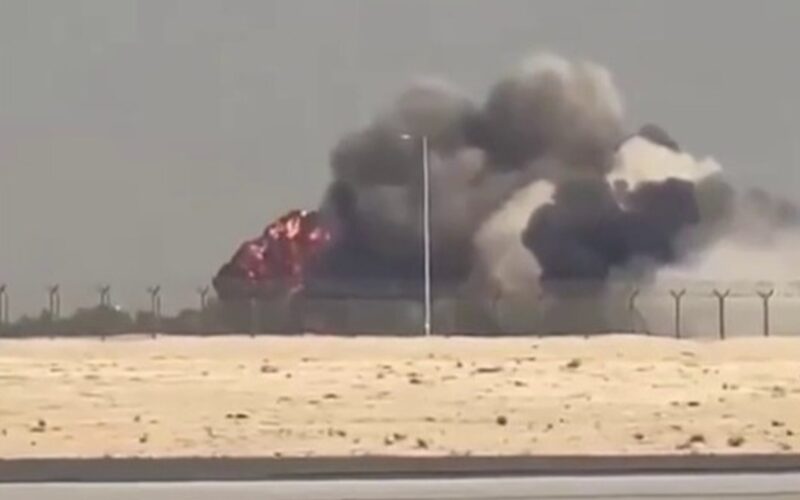
Eyewitnesses and videos circulating online describe a sequence that started promisingly. The jet performed several passes over the display area, executing loops and rolls that highlighted its maneuverability. But things went wrong during a low-altitude roll or what experts are calling a negative G maneuver following a loop. The aircraft suddenly lost altitude, entering a steep dive. Despite apparent attempts to pull up, it slammed into the ground about one mile from the main show site, erupting in flames and sending thick black smoke billowing into the sky.
Emergency response was swift. Firefighters, helicopters, and medical teams rushed to the scene, containing the fire and securing the area within roughly 45 minutes. The airshow was paused temporarily, with attendees ushered back to exhibition halls for safety. No ground injuries were reported, but the mood shifted from excitement to somber reflection as news spread.
Understanding the Negative G Maneuver
One detail that's grabbed attention is the negative G maneuver implicated in the crash. In aviation terms, G-forces measure the stress on a pilot and plane during turns or dives. Positive Gs push you into your seat, like in a sharp climb, while negative Gs do the opposite, making you feel like you're being lifted out. These occur in aerobatics, such as inverted flights or quick descents, and can cause blood to rush to the head, leading to redouts or disorientation if not handled properly.
Pilots train extensively for this, using techniques like straining muscles to maintain blood flow. The Tejas, with its fly-by-wire system, is designed to handle such stresses, but experts say even small factors like turbulence or a split-second delay can turn deadly. While videos show the jet struggling after the maneuver, it's too early to pin it as the sole cause.
Pilot Details and the Human Cost
The pilot, whose identity hasn't been publicly released yet, was the sole occupant of the single-seat Tejas fighter. Tragically, he sustained fatal injuries in the impact and was pronounced dead at the scene. Reports indicate no ejection attempt was made, possibly due to the low altitude or rapid sequence of events.
This loss hits hard in the tight-knit aviation community. Indian Air Force pilots are among the world's best, undergoing rigorous training for such displays. The IAF has expressed deep sorrow, standing with the bereaved family in their time of grief. Tributes are pouring in online, with many highlighting the risks these aviators take to showcase national pride.
Official Responses and Ongoing Investigation
In the hours following the crash, official statements came quickly. The Indian Air Force posted on X (formerly Twitter), confirming the incident and announcing a court of inquiry to determine the cause. This standard procedure will examine black box data, witness accounts, video footage, and potential technical faults.
The United Arab Emirates Ministry of Defence also responded via X, noting that emergency teams managed the situation effectively. Dubai's state media office echoed this, emphasizing no threat to public safety. HAL, the manufacturer, hasn't issued a detailed statement yet but is likely cooperating with investigators.
Speculation online ranges from mechanical failure to human error, but officials urge patience. As one aviation analyst noted, these probes can take months, involving international experts given the airshow's global stage.
If you like reading this blog then you'll like reading this information here: The Eclipse of the Century: How a Rare Alignment Will Plunge Earth Into Darkness
Background on the HAL Tejas Fighter Jet
To understand the bigger picture, let's talk about the Tejas itself. Developed by Hindustan Aeronautics Limited (HAL) under India's "Make in India" initiative, the Tejas is a lightweight, 4.5-generation multi-role fighter. It's designed for air superiority, ground attacks, and maritime operations, with a top speed of Mach 1.8 and a payload capacity of up to 4,000 kg.
First flown in 2001, it entered IAF service in 2016 with the No. 45 Squadron in Sulur, Tamil Nadu. Powered by General Electric engines (with delays due to imports), it's inherently unstable for better agility, relying on advanced fly-by-wire controls similar to the F-16. India recently greenlit 97 more Tejas Mark 1A variants, underscoring its role in modernizing the fleet.
Here are some key specs:
- Engine: Single GE F404 turbofan.
- Max Takeoff Weight: Around 13,300 kg.
- Range: Over 3,000 km with external tanks.
- Armament: Missiles, bombs, and a 23mm cannon.
- Variants: Single-seat fighter and twin-seat trainer.
This crash marks only the second in the Tejas's history, the first being a non-fatal incident in Rajasthan in March 2024.
Historical Context: Crashes at Airshows
Airshow accidents aren't new, though they're rare thanks to stringent safety protocols. From the 2015 Shoreham crash in the UK to the 2002 Sknyliv disaster in Ukraine, these events often stem from mechanical issues or pilot error under pressure. The Tejas incident echoes the 2023 Reno Air Races crash, where high-G maneuvers played a role.
In India's case, the IAF has a solid track record, but older jets like MiGs have seen more mishaps. The Tejas's clean slate until now highlights progress in indigenous defense tech, but this event raises questions about export ambitions and training for international demos.
Impact on the Dubai Airshow and Broader Implications
The Dubai Airshow, running from November 17-21, 2025, is a hub for billion-dollar deals and tech unveils. This crash overshadowed the finale, but organizers resumed activities after the all-clear. For India, it's a setback in promoting the Tejas globally, especially with interest from countries like Argentina and Egypt.
Broader ripples include renewed focus on aviation safety. Will we see tighter regulations for demos? Or advancements in AI-assisted piloting? For India's defense sector, it could accelerate upgrades, ensuring the Tejas remains a symbol of self-reliance.
As investigations proceed, the community mourns while learning. Aviation evolves through such challenges, making skies safer for all.
FAQs About HAL Tejas Crashes at Dubai Airshow: What We Know So Far
When did the crash happen?
It occurred on November 21, 2025, around 2:10 p.m. local time during the Dubai Airshow's final day.
Where exactly did the Tejas crash?
At Al Maktoum International Airport in Dubai World Central, UAE, about one mile from the main display area.
What caused the crash?
The exact cause is unknown; a court of inquiry is investigating, but initial reports point to issues during a negative G maneuver.
Was the pilot able to eject?
No ejection was reported, and the pilot sadly perished in the crash.
How has the Indian Air Force responded?
The IAF confirmed the incident on X, expressed regret, supported the family, and launched an inquiry.
Is this the first Tejas crash?
No, it's the second; the first was in Rajasthan in 2024, where the pilot escaped unharmed.
What is the Tejas's safety record?
Excellent overall, with only two incidents in over 24 years since its first flight in 2001.
Stay Informed on Aviation News
This tragic event is a stark reminder of the bravery behind those breathtaking flights. If you're passionate about aviation, defense tech, or global events, hit that subscribe button for updates straight to your inbox. Share your thoughts in the comments: What do you think caused the crash? Let's discuss responsibly as more details emerge. Together, we can honor the pilot's legacy by advocating for safer skies.
References
- Indian Air Force Tejas jet crashes at Dubai Air Show - DW
- Indian Tejas fighter jet crashes at Dubai Air Show, killing pilot - Reuters
- IAF Tejas crashes at Dubai air show: What we know so far - Indian Express
- Explained: Negative G Manoeuvre That Tejas Pilot Performed Before Crash - NDTV
- Tejas pilot dead: IAF orders inquiry into Dubai Air Show 2025 crash - Economic Times



.jpg)